Meaning of Certificate of Conformity for Drivers
JUMP AHEAD IN THIS ARTICLE
For many drivers, a Certificate of Conformity only becomes important at the worst possible moment: when a registration office asks for it, a buyer requests it, or an imported car cannot be registered without additional technical proof. The phrase sounds bureaucratic, but the meaning is practical. It is a document that helps prove a vehicle matches the approved technical and environmental standards for its type.
If you are moving a car between European countries, buying a used imported vehicle, or trying to understand what paperwork matters, knowing the meaning of a Certificate of Conformity can save time, money, and frustration. It can also help you avoid confusing it with documents that sound similar but serve a completely different purpose.
The meaning of a Certificate of Conformity, in plain English
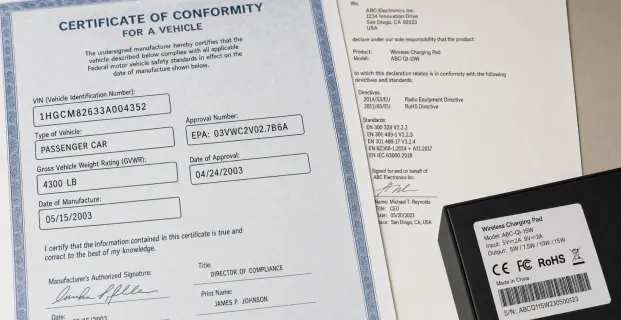
A Certificate of Conformity, often called a COC, is an official vehicle document that confirms a specific vehicle conforms to the type approval granted for that model. In everyday terms, it says: this car was built according to an approved specification, and its technical data can be used by registration authorities.
For drivers, the key point is not the legal wording. The key point is that a COC connects your vehicle identification number, known as the VIN, to approved vehicle details such as emissions category, weight, engine capacity, fuel type, noise levels, dimensions, and other technical specifications.
In the European Union, vehicle approval rules are built around a harmonized system. Regulation (EU) 2018/858 sets the framework for type approval and market surveillance of motor vehicles and related systems. You can review the legal basis through EUR-Lex, the official EU law portal. Drivers do not usually need to read the regulation, but it explains why a standardized vehicle document can matter across borders.
A COC is especially useful because it reduces uncertainty. Instead of asking an authority to identify or test every technical detail of a vehicle from scratch, the COC gives them recognized data from the manufacturer or authorized source.
Why drivers are asked for a COC
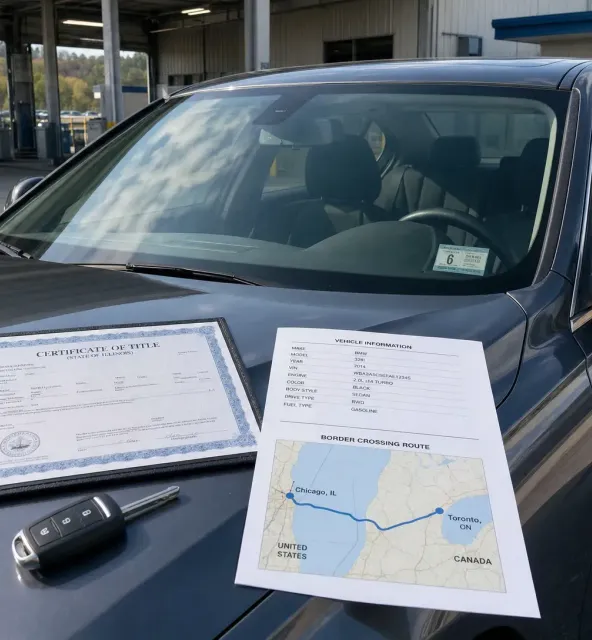
Most drivers encounter a COC during registration, especially when a vehicle crosses a border. A car that was easy to register in one country may still need documentation before it can be registered in another. The COC helps the local authority confirm that the car matches an approved European type and that its technical characteristics are known.
You may be asked for a Certificate of Conformity when:
- You import a used car from another EU country and want to register it locally.
- You buy a vehicle abroad and bring it home.
- You move to another European country and take your car with you.
- A registration office needs verified technical data to issue local documents.
- You sell an imported vehicle and the buyer wants reassurance that registration paperwork is complete.
This is why a COC is not just a document for dealers or importers. It can affect ordinary drivers who buy a car online, relocate for work, inherit a vehicle from another country, or find a better price in a neighboring market.
If you want a broader owner-focused explanation, 321COC also has a detailed guide on what a Certificate of Conformity means for car owners.
What a COC tells registration authorities
A COC is valuable because it contains structured data. The exact layout can vary depending on the manufacturer and vehicle category, but the purpose is the same: to identify the vehicle and provide the information required for registration.
Common details found on a vehicle COC include:
- Vehicle identification number, make, model, and variant.
- Manufacturer information and type approval number.
- Engine power, fuel type, displacement, and transmission details.
- CO2 emissions, environmental classification, and noise levels.
- Mass, axle weights, seating capacity, and dimensions.
- Tire and wheel information.
- Date or production-related conformity details, depending on the document.
For a driver, these details may look technical, but they often determine what appears on the local registration certificate. They may also affect taxes, environmental labels, access to low-emission zones, or administrative fees, depending on the country.
This is why guessing vehicle specifications is risky. A small mismatch in emissions value, weight, or type approval data can delay registration or trigger additional checks. The COC gives authorities a consistent reference point.
What a Certificate of Conformity does not prove
A common misunderstanding is that a COC proves everything about a car. It does not. It is important because it confirms conformity with the approved type at the time the vehicle was produced, but it does not replace every other document.
A COC does not prove ownership. You still need the purchase invoice, sales contract, or other ownership documents required by the registration authority. It does not prove that the car is currently roadworthy. A vehicle can have a valid COC and still fail a roadworthiness inspection because of worn brakes, damaged lights, tire condition, or other maintenance issues.
It also does not prove that the car has never been modified. If a vehicle has been significantly changed after manufacture, for example through engine modifications, suspension changes, fuel conversion, or body alterations, the original COC may no longer reflect the car accurately. In those cases, authorities may request further inspection or approval.
Finally, a COC is not the same as a declaration of conformity for a product or component. The wording can sound similar, but the practical use is different. If you are comparing documents, this guide to Declaration of Conformity vs COC explains the difference in more detail.

When you need one and when you might not
You are most likely to need a COC when registering a vehicle that was previously registered in another European country. In many cases, a registration authority uses the COC to complete the local registration process more quickly and accurately.
However, not every driver will need to request one. If the car is already registered in your country and you are not changing jurisdiction, the COC may never be requested. Some countries may also accept alternative documents, existing registration data, national type approval records, or technical inspection reports, depending on the vehicle and the authority.
The situation becomes more complex for vehicles that were not originally built for the European market. A COC is generally linked to EU type approval. If a vehicle was manufactured for a non-EU market, the standard European COC may not be available. In that case, the registration office may require individual approval, technical inspection, or other compliance documents.
Older vehicles can also be more complicated. Depending on age, brand, country, and approval history, a COC may not exist or may not be sufficient by itself. Classic cars, heavily modified cars, and special-purpose vehicles often require additional handling.
The safest approach is to check with the registration authority before starting the process. Ask exactly which document they require, whether the original COC is mandatory, and whether a duplicate or official replacement will be accepted.
How to handle a missing Certificate of Conformity
If you do not have the COC, do not assume the registration process is impossible. Many drivers simply never received the document when they bought a used car. Others lose it during a move, or discover too late that the seller did not include it.
Start by confirming whether your vehicle is eligible for a COC. You will usually need the VIN and basic vehicle details. The VIN is essential because the COC relates to a specific vehicle, not just a model name.
Next, check whether the registration authority requires the original, a duplicate, or an officially issued document. Requirements can vary by country and sometimes by local office. Avoid relying only on informal advice from forums, because procedures can change and local interpretation matters.
If a COC is required, ordering online can be the simplest route when the provider can supply an official document for your brand and vehicle. 321COC offers official vehicle Certificates of Conformity for many car brands across Europe, with online ordering, transparent pricing, secure checkout, and money-back protection. If you want to understand the online process before placing an order, this COC online guide walks through the main points.
Practical checklist before registering an imported car
Before going to the registration office, gather your documents carefully. A missing paper can mean another appointment, extra fees, or a longer waiting period.
A practical driver checklist includes:
- The vehicle registration certificate from the previous country, if applicable.
- Proof of ownership, such as an invoice or sales agreement.
- Your identification and proof of address.
- The Certificate of Conformity, if required.
- Proof of tax, customs, or VAT handling where applicable.
- Roadworthiness inspection documents, if your country requires them.
- Insurance confirmation, if needed before registration.
Also check that the VIN on all documents matches the VIN stamped on the vehicle. Even a typing error can cause delays. If the car has multiple documents from different countries, compare the basic details before your appointment: make, model, first registration date, fuel type, engine size, and emissions information.
For drivers buying a used import, ask about the COC before paying the full price. A seller who already has the document can make your life easier. If they do not have it, factor the time and cost of obtaining one into your purchase decision.
Why the COC matters when selling a car
A Certificate of Conformity can also help when you sell a vehicle, especially if the buyer may register it in another country. A complete document file makes the car more attractive because it reduces administrative uncertainty.
This does not mean a COC increases the mechanical value of the car. It does not make the engine healthier or the bodywork cleaner. But it can increase buyer confidence. A buyer looking at two similar imported vehicles may prefer the one with easier registration paperwork.
For private sellers, being transparent is best. If you have the COC, mention it. If you do not, say so clearly. If the buyer needs to export the car, recommend that they check requirements in their destination country before completing the sale.
Frequently Asked Questions
What is the simple meaning of Certificate of Conformity for a driver? It is an official vehicle document confirming that a specific car conforms to the approved technical specification for its type. For drivers, it is mainly used to support vehicle registration, especially after import.
Is a COC the same as a registration certificate? No. A registration certificate shows that a vehicle is registered in a country. A COC provides manufacturer-based conformity and technical data that may help a registration authority issue or update registration documents.
Do all cars have a Certificate of Conformity? Not always. Many European type-approved vehicles can have a COC, but vehicles built for non-EU markets, older vehicles, modified vehicles, or special vehicles may not have a standard European COC available.
Can I register an imported car without a COC? Sometimes, but it depends on the country, vehicle, and available alternative documents. Some authorities may accept other technical proof, while others may request the COC or require an individual approval process.
Does a COC prove that a car is safe to drive today? No. A COC relates to conformity at manufacture. Current safety depends on the vehicle's condition and may be assessed through roadworthiness inspections, maintenance records, and physical checks.
Need a Certificate of Conformity for your vehicle?
If your registration office has requested a COC, or you want to prepare an imported vehicle for smoother paperwork, you can order through 321COC. The service provides official vehicle Certificates of Conformity for many brands across Europe, with a secure online process, transparent pricing, fast delivery, and money-back protection.
Having the right document before your appointment can turn a stressful registration process into a much simpler one.